
Rare Disease Spotlight
Primary Immunodeficiency
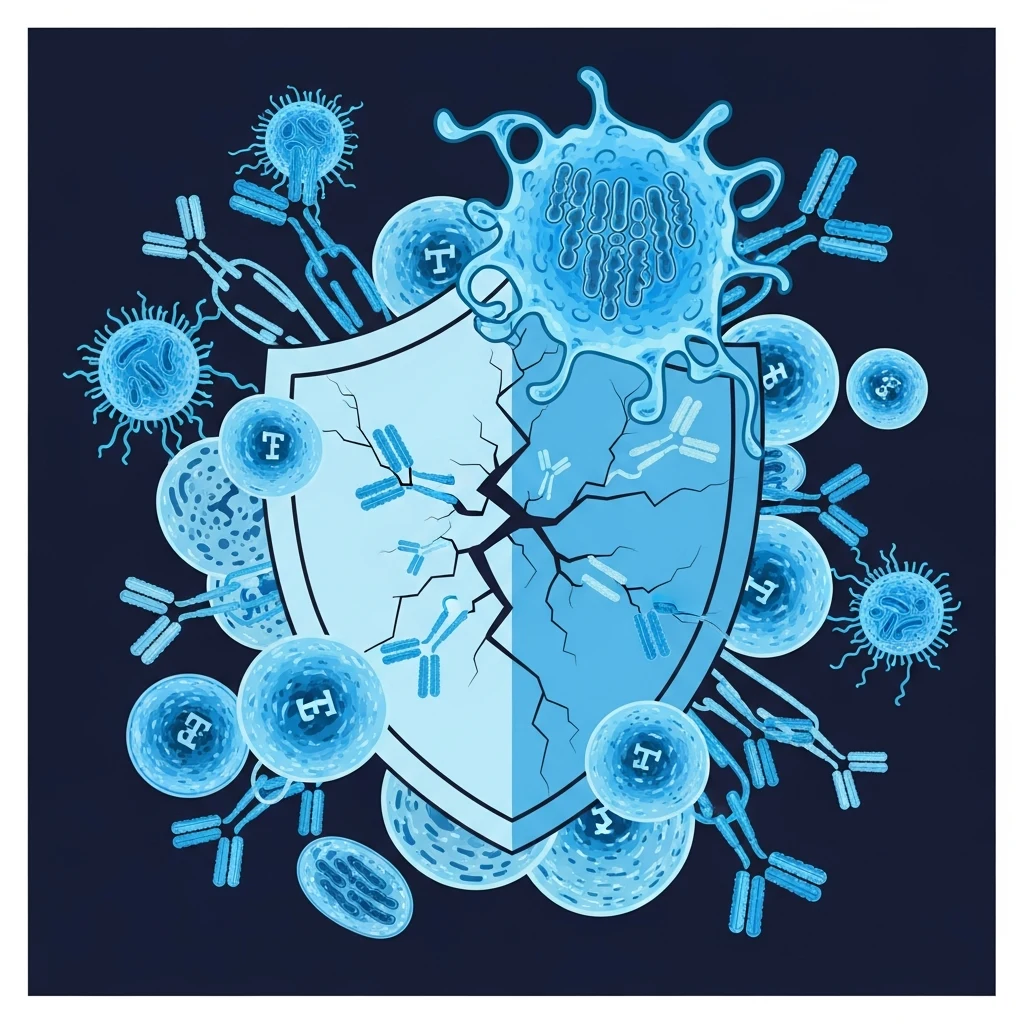
Over 400 rare genetic disorders that impair the immune system, making infections frequent and severe.
Connection: Immune system disorders
Overview
Primary immunodeficiency diseases (now more formally called inborn errors of immunity, or IEI) are a large and fast-growing group of genetic disorders that disrupt how the immune system develops, functions, or regulates itself. The International Union of Immunological Societies now recognizes hundreds of validated IEIs (more than 485 as of the 2023 update), and together they affect roughly 1 in 1,000 to 1 in 5,000 people.
Impact
Patients usually have recurrent, severe, or unusual infections starting in infancy or childhood, but plenty also deal with autoimmunity, autoinflammation, lymphoproliferation, allergies, or cancers that can be just as hard to live with. Delayed diagnosis is still common and contributes to lasting organ damage, so getting recognized early, confirmed by genetic testing, and connected to treatments like immunoglobulin replacement, targeted therapies, or stem cell transplant can literally save lives and change a family's trajectory.
Medical Overview
IEIs get broadly classified by which part of the immune system is affected: combined and severe combined immunodeficiencies (SCID), predominantly antibody (humoral) deficiencies, phagocyte defects, complement disorders, disorders of immune dysregulation, autoinflammatory syndromes, and defects of innate and intrinsic immunity. Clues that should raise suspicion include recurrent sinus and lung or skin infections, opportunistic pathogens, failure to thrive, early-onset autoimmunity, unexplained granulomas, or a family history or consanguinity. Diagnosis combines quantitative and functional immune testing (immunoglobulin levels, specific antibody responses, lymphocyte subsets and function, neutrophil oxidative burst, complement assays) with next-generation sequencing panels or exome sequencing for a molecular confirmation. Treatment depends on the specific condition and may include immunoglobulin replacement, prophylactic antimicrobials, immunomodulators or biologics for dysregulation, hematopoietic stem cell transplantation (which is standard of care in SCID and many severe combined or dysregulatory disorders), and emerging gene therapies. Early referral to a clinical immunologist and newborn screening (which now includes SCID in most US states) have really changed outcomes.
References
- Yu JE. New primary immunodeficiencies 2023 update . Current Opinion in Pediatrics . 2024.
- Baloh CH, Chong H. Inborn Errors of Immunity . Primary Care . 2023.