
Rare Disease Spotlight
Mitochondrial Disease
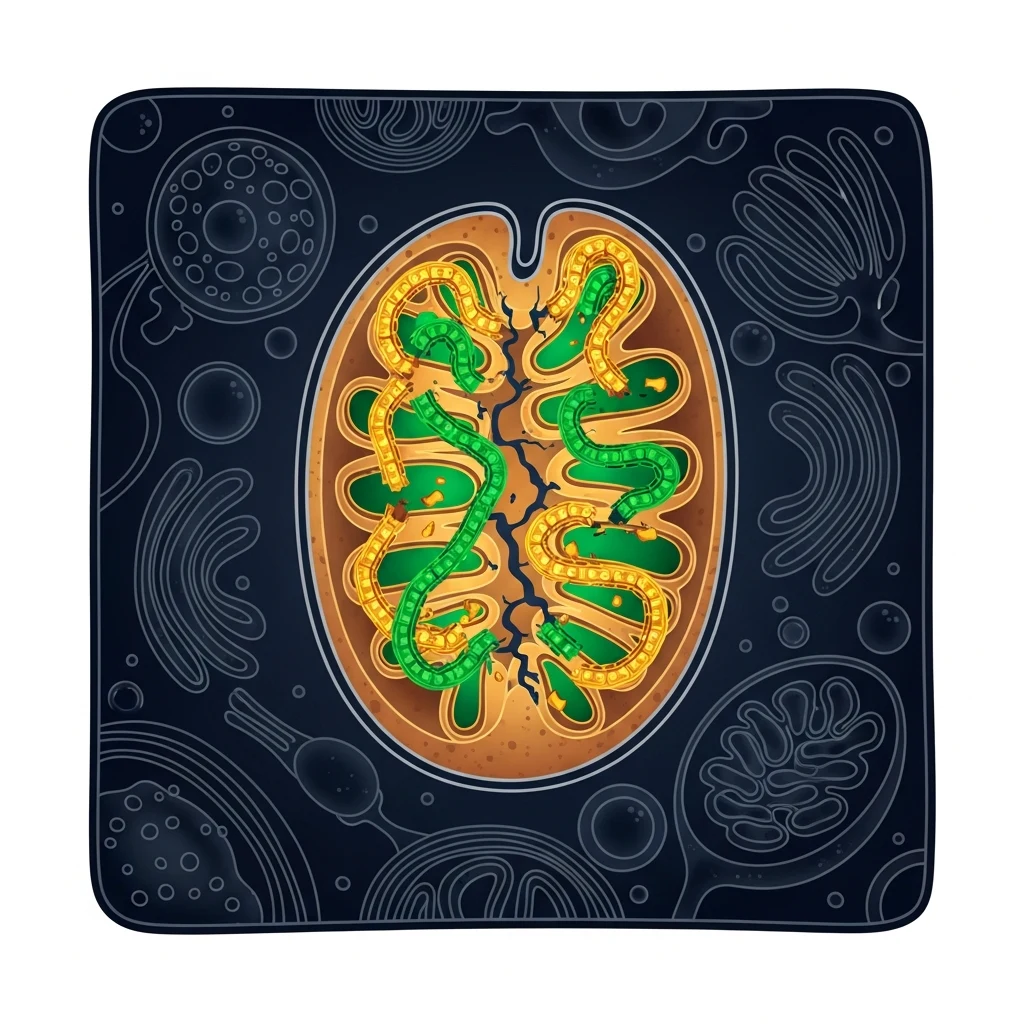
A group of disorders caused by dysfunctional mitochondria, affecting energy production in every cell.
Connection: Invisible illness & mental toll
Overview
Mitochondrial diseases are a mixed group of inherited multisystem disorders caused by dysfunction of the mitochondrial respiratory chain and oxidative phosphorylation, which is how your cells make most of their energy. They can come from changes in either mitochondrial DNA (mtDNA) or nuclear DNA, show up at any age, and affect any organ, though they especially target tissues that burn a lot of energy like the brain, muscles, heart, eyes, and endocrine organs.
Impact
Because mitochondrial disorders can affect basically any organ and progress unpredictably, patients and families often spend years in a diagnostic odyssey, dealing with complex multisystem symptoms and medical complexity that's hard on caregivers and on the healthcare system. There's no curative therapy yet, inheritance is complicated (maternal for mtDNA, autosomal or X-linked for nuclear genes), and the chance of recurrence in future pregnancies adds significant counseling, reproductive, and psychosocial weight.
Medical Overview
Mitochondrial diseases come from changes in the 37 genes encoded by mtDNA itself or in more than 300 nuclear genes involved in mitochondrial biogenesis, mtDNA maintenance, and respiratory chain assembly. These produce recognizable syndromes like MELAS, MERRF, Leigh syndrome, LHON, Kearns-Sayre, and various mtDNA depletion or deletion syndromes. Presentations are all over the map but commonly include encephalopathy, stroke-like episodes, seizures, myopathy, eye movement problems, optic atrophy, cardiomyopathy, diabetes, sensorineural hearing loss, and growth failure. Diagnosis pulls together clinical pattern recognition, biochemical markers (lactate, pyruvate, organic and amino acids, acylcarnitines, FGF21/GDF15), neuroimaging, muscle biopsy with respiratory chain enzyme analysis, and increasingly broad genomic testing with both mtDNA sequencing and exome or mitochondrial gene panels. Management is mostly supportive: proactive surveillance and early treatment of organ-specific complications, avoiding medications that are toxic to mitochondria, cofactor and vitamin "cocktails" (coenzyme Q10, riboflavin, thiamine, L-carnitine), and specialty-specific care (pacemakers, hearing aids, antiepileptics). Reproductive options like preimplantation genetic testing and mitochondrial donation (legal only in a few places) are available, and gene, cell, and small-molecule therapies are active research areas.
References
- Kornblum C, et al.. Currently available therapies in mitochondrial disease . Handbook of Clinical Neurology . 2023.