
Rare Disease Spotlight
Marfan Syndrome
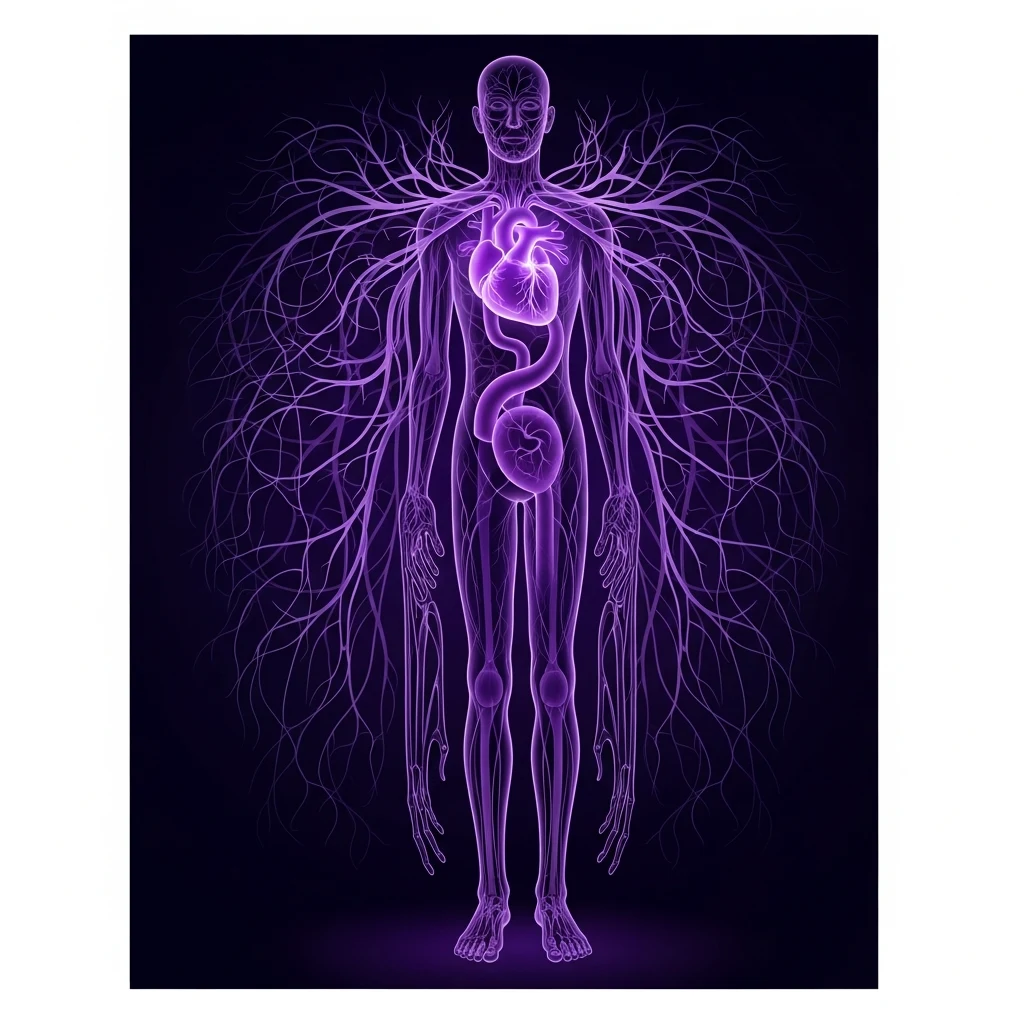
A connective tissue disorder affecting the heart, eyes, blood vessels, and skeleton.
Connection: Connective tissue & genetic disorders
Overview
Marfan syndrome is an inherited connective tissue disorder caused by changes in the FBN1 gene, which makes a protein called fibrillin-1. It shows up in about 1 in 3,000 to 1 in 5,000 people and mostly affects the heart and blood vessels, the eyes, and the skeleton, with dilation and possible tearing of the aortic root being the most serious, potentially life-threatening complication.
Impact
Living with Marfan syndrome often means ongoing cardiac monitoring, activity restrictions (especially avoiding intense weightlifting and contact sports), and sometimes multiple surgeries over a lifetime, all of which can really shape career choices, pregnancy planning, and mental health. It's also inherited in a dominant pattern, so each child of an affected parent has a 50% chance of inheriting it, and kids who are diagnosed early need coordinated, lifelong care from a team of specialists.
Medical Overview
Marfan syndrome is caused by loss-of-function changes in FBN1, which disrupts how microfibrils are assembled in connective tissue and dysregulates TGF-beta signaling. The hallmark features include an ascending aortic aneurysm and risk of dissection, ectopia lentis (dislocation of the eye's lens), and skeletal findings like long-bone overgrowth, arachnodactyly (long fingers), pectus deformities, scoliosis, and joint laxity. Dural ectasia, nearsightedness, spontaneous pneumothorax, and mitral valve prolapse are common additional features. Diagnosis uses the revised Ghent nosology, which weighs aortic root Z-score, ectopia lentis, FBN1 status, and a systemic score. Medical management focuses on reducing blood pressure and wall stress with beta-blockers and/or angiotensin receptor blockers, regular echocardiograms (plus MRI or CT to look at the rest of the aorta), and preventive aortic root replacement when the aorta reaches validated size thresholds. Care works best through a coordinated team including cardiology, cardiothoracic surgery, ophthalmology, orthopedics, and genetics.
References
- Marelli S, et al.. Marfan Syndrome: Enhanced Diagnostic Tools and Follow-up Management Strategies . Diagnostics (Basel) . 2023.
- Taniguchi Y, et al.. Impact of pathogenic FBN1 variant types on the development of severe scoliosis in patients with Marfan syndrome . Journal of Medical Genetics . 2023.