
Rare Disease Spotlight
Li-Fraumeni Syndrome
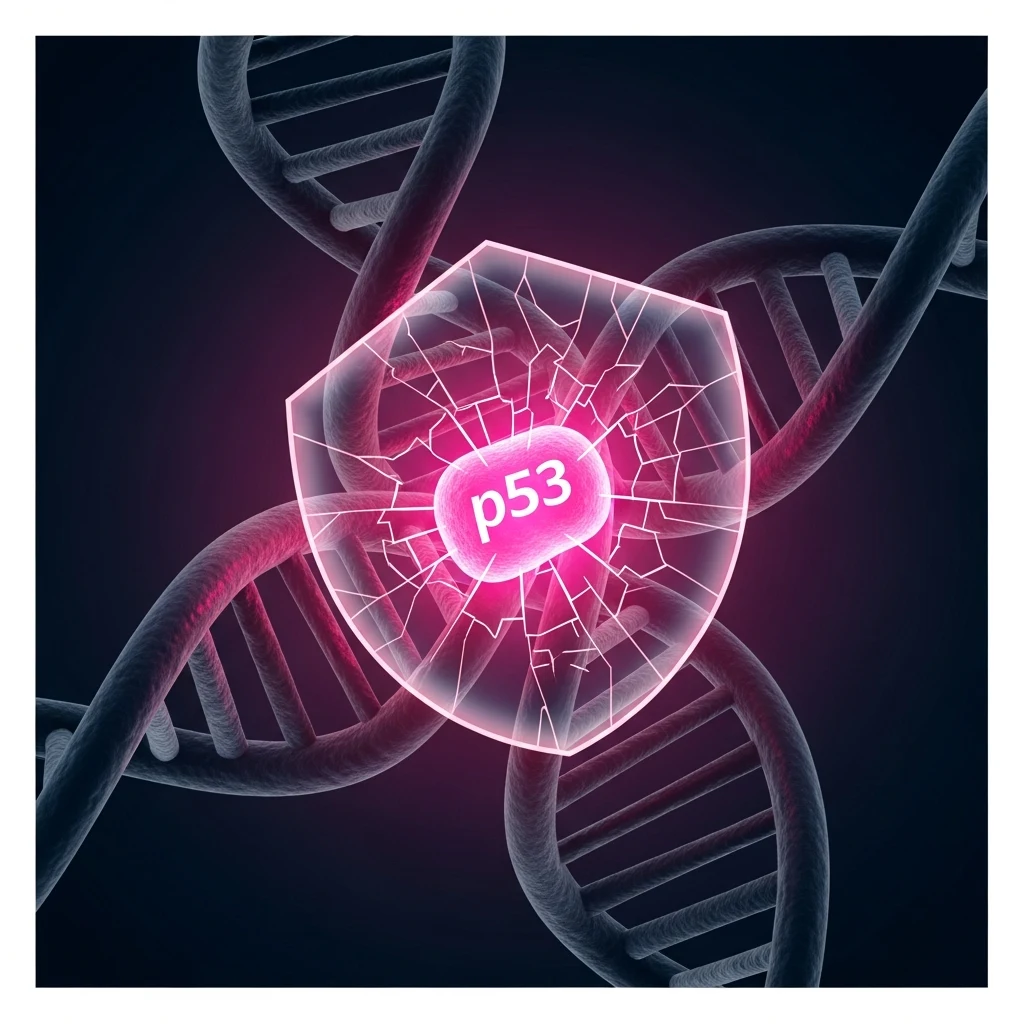
A rare hereditary cancer syndrome dramatically increasing lifetime risk of multiple cancers.
Connection: Rare hereditary cancer syndrome
Overview
Li-Fraumeni syndrome (LFS) is a rare inherited cancer predisposition syndrome caused by germline changes in the TP53 tumor suppressor gene, which normally acts as one of the body's most important brakes against cancer. When that brake doesn't work, people face a dramatically higher lifetime risk of a wide range of cancers, often at young ages and often more than one over a lifetime.
Impact
Living with LFS means carrying a kind of low-grade cancer anxiety every day, sticking to intensive surveillance schedules, making hard decisions about whether and when to test your kids, and sitting with the unpredictability of where the next cancer might show up. Because inheritance is dominant, each child of an affected parent has a 50% risk, and many families have lost multiple relatives across generations, which adds real grief to the medical picture.
Medical Overview
LFS is caused by germline heterozygous pathogenic variants in TP53, the gene that encodes p53, a master regulator of cell-cycle arrest, apoptosis, and the DNA damage response. When p53 doesn't work, it opens the door to a core tumor spectrum that includes soft-tissue sarcomas and osteosarcomas, premenopausal breast cancer, adrenocortical carcinoma, brain tumors, and leukemia, along with higher risks for many other cancers. Diagnosis is made by finding a pathogenic germline TP53 variant, guided by the classic and Chompret clinical criteria, and increasingly through multigene panel testing in young patients or patients with multiple primary cancers. Recommended surveillance for at-risk individuals follows the Toronto Protocol: annual whole-body and brain MRI, breast MRI in women (usually starting at 20 to 25), abdominal and pelvic ultrasound in children (switching to cross-sectional imaging in adulthood), dermatologic and neurologic exams, and colonoscopy starting in early adulthood. Meta-analytic evidence supports whole-body MRI for finding asymptomatic cancers in LFS. Treatment principles include avoiding radiation when possible (because of the risk of radiation-induced second cancers), considering risk-reducing mastectomy, and treating any detected cancer early and aggressively, all alongside careful genetic counseling for relatives.
References
- Rocca V, et al.. Li-Fraumeni Syndrome: Mutation of TP53 Is a Biomarker of Hereditary Predisposition to Tumor: New Insights and Advances in the Treatment . Cancers (Basel) . 2022.
- Bojadzieva J, et al.. Baseline surveillance in Li-Fraumeni syndrome using whole-body MRI: a systematic review and updated meta-analysis . Familial Cancer . 2024.