
Rare Disease Spotlight
Cystic Fibrosis
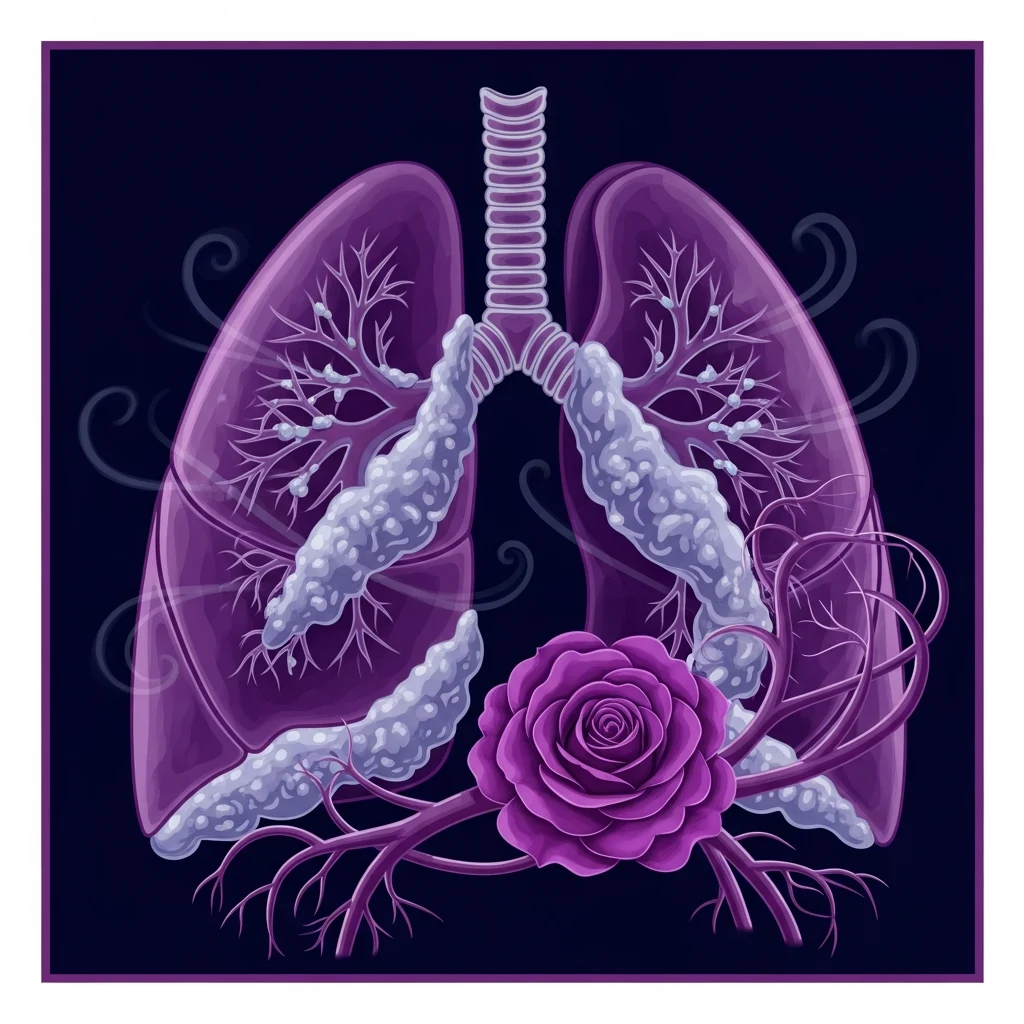
A genetic disorder that causes severe damage to the lungs, digestive system, and other organs.
Connection: Rare lung disease
Overview
Cystic fibrosis (CF) is a recessive multisystem disorder caused by changes in the CFTR gene, which makes a channel that moves chloride and bicarbonate across epithelial cells and keeps secretions properly hydrated. The hallmarks are thick, dehydrated mucus that leads to progressive lung damage and chronic infection, pancreatic insufficiency, and elevated sweat chloride. Median survival has improved dramatically in recent decades, especially with the arrival of CFTR modulator therapy.
Impact
CF comes with a daily treatment load of airway clearance, nebulized therapies, enzyme replacement, and frequent clinic visits that can eat up hours every day and shape school, work, and family life. Even with major gains in life expectancy, patients and families still face pulmonary flare-ups, the possibility of lung transplantation down the road, fertility challenges, mental health impacts, and the financial and logistical complexity of therapies that are incredibly effective but also incredibly expensive.
Medical Overview
CF results from changes in both copies of CFTR, with F508del being the most common variant worldwide. Variants are grouped into classes based on how they affect protein production, trafficking, gating, or function, and that classification helps guide therapy choice. Clinical presentation spans meconium ileus (a newborn bowel obstruction), failure to thrive, steatorrhea from pancreatic insufficiency, recurrent sinus and lung infections (notably with Pseudomonas aeruginosa and nontuberculous mycobacteria), CF-related diabetes, CF liver disease, and infertility in males from congenital absence of the vas deferens. Diagnosis relies on newborn screening (with immunoreactive trypsinogen), sweat chloride testing, and CFTR genotyping, and CRMS/CFSPID classifications help guide indeterminate cases. Management is multidisciplinary and lifelong, including airway clearance, inhaled dornase alfa and hypertonic saline, inhaled antibiotics, pancreatic enzyme replacement, fat-soluble vitamins, nutrition optimization, and aggressive treatment of exacerbations. CFTR modulators (ivacaftor, lumacaftor/ivacaftor, tezacaftor/ivacaftor, and especially the combination elexacaftor/tezacaftor/ivacaftor) now help the large majority of eligible patients, with substantial improvements in FEV1, sweat chloride, exacerbation rates, nutrition, and quality of life.
References
- Regard L, Martin C, Burnet E, Da Silva J, Burgel PR. CFTR Modulators: Current Status and Evolving Knowledge . Seminars in Respiratory and Critical Care Medicine . 2023.
- Despotes KA, Donaldson SH. Current state of CFTR modulators for treatment of Cystic Fibrosis . Current Opinion in Pharmacology . 2022.